
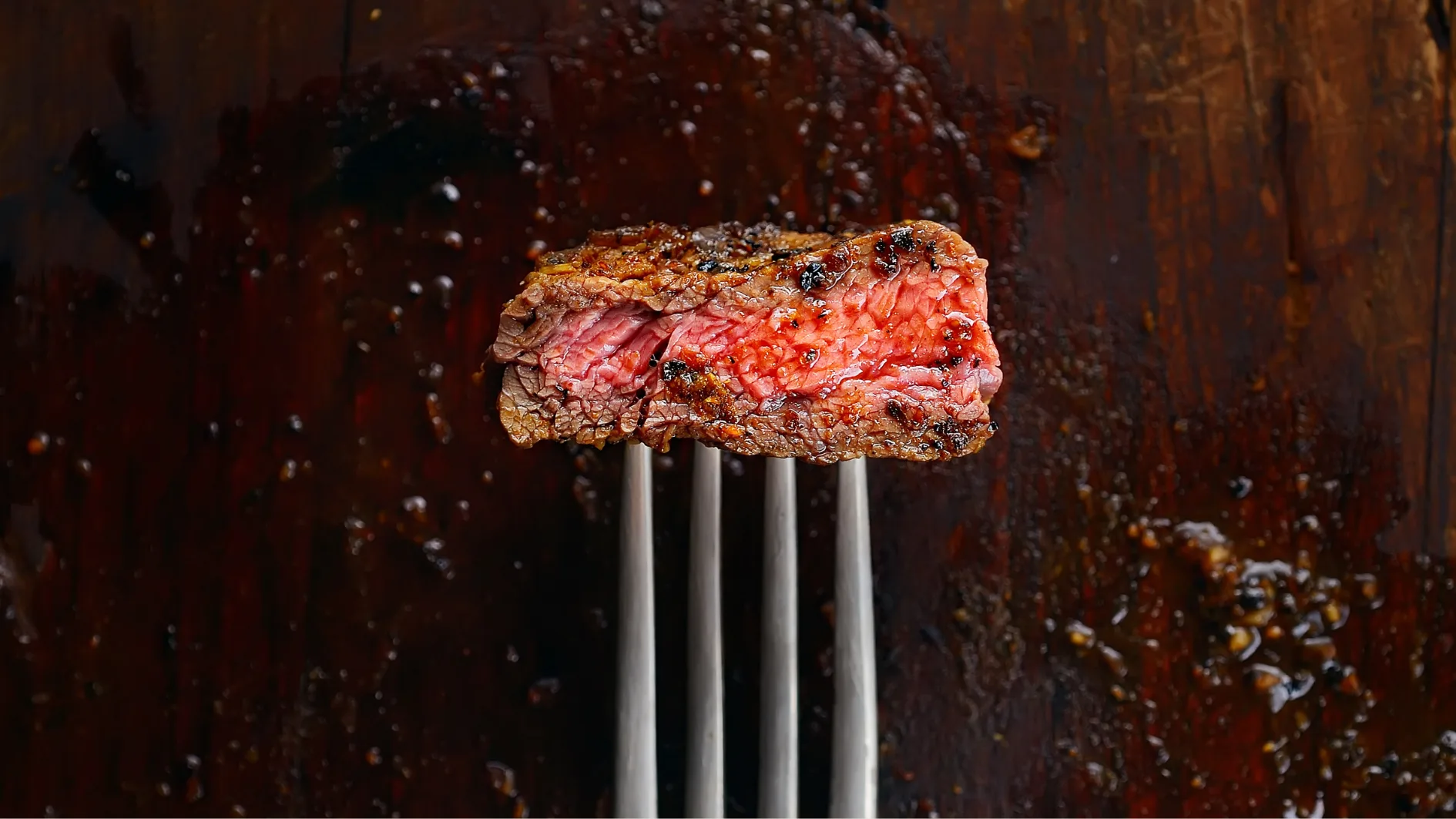
Transitioning to an animal-based lifestyle can mark a pivotal shift in how you feel, how your body uses energy, and how you manage inflammation. From a clinical perspective, stepping away from ultra-processed foods, seed oils, and inflammatory carbohydrates gives the body a chance to return to an ancestral, nutrient-dense baseline.
Moving from a standard modern diet to an animal-based one is a real physiological shift. As the body changes its fuel source from glucose to fatty acids and ketones, a few common missteps can lead to unnecessary fatigue, digestive distress, or quitting too soon.
Understanding these seven frequent mistakes can help you make the transition smoother and more sustainable.
1. Not Eating Enough Fat
One of the most frequent errors in early carnivore adoption is choosing overly lean meats. Modern nutrition culture has conditioned many people to fear fat, so beginners often lean on chicken breasts, lean sirloins, and turkey.
When carbohydrates are removed from the diet, fat becomes the body's primary energy source. Protein alone cannot carry that role without placing excess strain on the liver and kidneys, a state sometimes called protein toxicity or rabbit starvation.
The fix: Prioritize fatty cuts of meat such as ribeyes, 80/20 ground beef, pork belly, and lamb. Add tallow, lard, or grass-fed butter to keep your energy steady and support healthy hormone production.
2. Under-Salting Food and Ignoring Electrolytes
During the early phase of an animal-based diet, insulin levels drop. Lower insulin signals the kidneys to release excess water, and essential electrolytes like sodium, potassium, and magnesium leave with it.
When electrolytes fall, people often notice headaches, muscle cramps, fatigue, and brain fog. This is commonly called the keto flu.
The fix: Be generous with high-quality salt, such as Celtic sea salt or Redmond Real Salt. Adding a pinch of mineral salt to your water, or using a clean electrolyte supplement during the first few weeks, supports circulation and cellular hydration.
3. Quitting Too Early
Adaptation takes time. The body needs anywhere from two to six weeks to build up the enzymes and metabolic pathways that efficiently break down higher amounts of fat and protein.
Many beginners give up during the first 7 to 10 days because of temporary fatigue, digestive changes, or cravings. Stopping during this acute transition means missing the very benefits you set out to reach, like reduced inflammation and steadier blood sugar.
The fix: Commit to at least 30 to 60 days. Once you understand that early discomfort is simply a sign of your body adapting, it becomes much easier to stay the course.
4. Fearing Salt and Animal Fats Because of Old Dogma
Decades of conventional guidance taught the public that saturated fat and sodium cause heart trouble. Letting go of that belief is often the hardest mental hurdle for newcomers.
Cholesterol and saturated fats are essential building blocks for cellular membranes, brain tissue, and steroid hormones, including estrogen, progesterone, and testosterone. In the absence of high carbohydrate intake, dietary fat behaves very differently than it does on a modern diet.
The fix: Trust the biochemistry of human nutrition. Saturated animal fats provide clean, efficient energy and support healthy endocrine and reproductive function.
5. Undereating Overall
Meat is exceptionally nutrient-dense and satiating. Because protein and fat stimulate satiety hormones like peptide YY and CCK, beginners often mistake their lack of hunger for a signal to eat very small portions.
Consistently undereating can slow thyroid function, lower your metabolic rate, and lead to energy crashes or strong cravings later in the day.
The fix: Eat to full satisfaction at every meal. Instead of counting calories, follow your natural hunger cues and make sure each plate has enough protein and fat to carry you comfortably for hours.
6. Overcomplicating the Transition
Beginners often spend too much energy worrying about exact ratios, macro tracking, or sourcing 100 percent organic, grass-fed meat from day one. That added pressure creates unnecessary friction.
High-quality sourcing is a worthy goal, but the most impactful step is simply removing processed foods, sugars, and plant toxins like oxalates and lectins.
The fix: Keep it simple. Build your meals around basic staples like beef, eggs, butter, and water. Perfection is not required to feel dramatic improvements.
7. Leaning Too Hard on Carnivore Treats and Dairy
It is common for newcomers to lean on cheese, heavy cream, or processed carnivore snacks like commercial meat sticks with additives to replace old comfort foods.
While dairy is animal-based, the proteins in dairy, including casomorphins and A1 casein, can trigger mild gut irritation or stall progress for sensitive individuals. Overdoing dairy can also add extra carbohydrates through lactose.
The fix: Use dairy sparingly. Build the foundation of your diet around solid ruminant meats like beef, lamb, and bison, along with plenty of water, to give your digestion room to heal.
The Bottom Line
Every one of these mistakes is easy to correct once you know what to look for. Eat enough fat, mind your salt and electrolytes, give your body time to adapt, and keep it simple. Small adjustments early on set you up for a strong, steady transition and the kind of results that keep you going.